Sensory-Inclusive Hospitality Events: Why Every Venue Should Prioritise Accessibility and Neurodivergent Customers
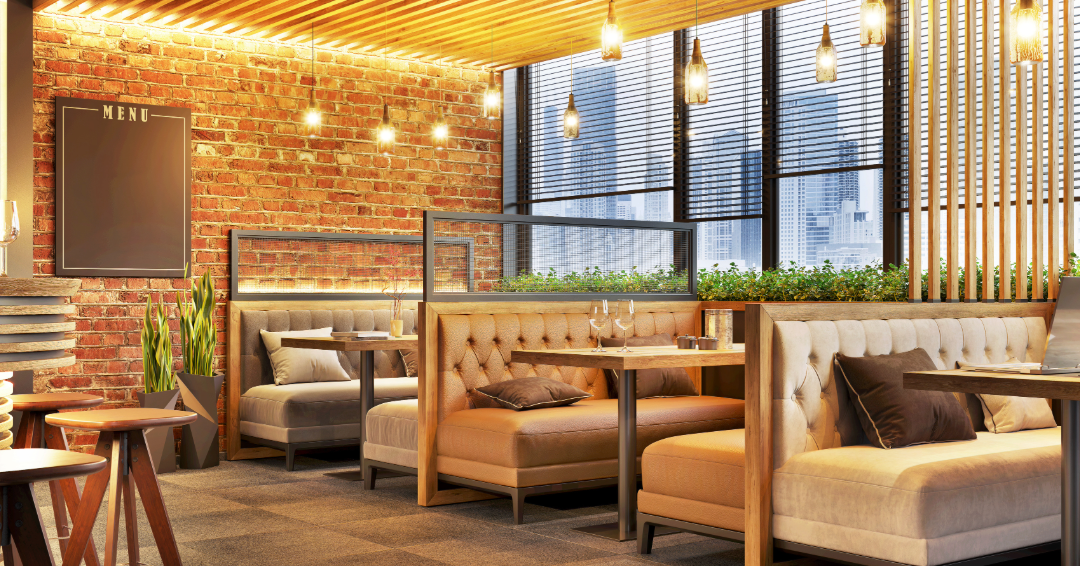
Cosy restaurant booths
As the hospitality industry continues to evolve, creating sensory-inclusive hospitality events is becoming an essential part of delivering exceptional guest experiences. Hotels, restaurants, conference venues, wedding venues and event organisers are increasingly recognising the importance of making their spaces welcoming for everyone, including autistic individuals, people with ADHD, those with sensory processing differences and other neurodivergent guests.
Inclusive hospitality is more than meeting accessibility requirements. It is about creating environments where every guest feels comfortable, respected and able to fully enjoy their experience.
What Are Sensory-Inclusive Hospitality Events?
A sensory-inclusive event is designed to reduce sensory barriers that may make attending difficult for some guests. Busy environments, loud music, flashing lights, strong smells and crowded spaces can all contribute to sensory overload, making what should be an enjoyable occasion feel stressful or overwhelming.
By considering sensory needs during the planning process, hospitality businesses can make events more accessible without compromising the overall guest experience.
Simple adjustments can include:
Providing quiet or low-stimulation spaces
Sharing event schedules and venue information in advance
Managing lighting and sound levels where possible
Offering clear signage and wayfinding
Training staff to recognise and respond appropriately to sensory overload
Making sensory resources available for guests who may benefit from them
These practical changes often improve the experience for everyone, not just neurodivergent guests!
Why Sensory Inclusion Matters in Hospitality
More families, organisations and individuals are actively seeking sensory-inclusive venues when booking hotels, restaurants, conferences, weddings and corporate events.
Creating an inclusive environment helps businesses:
Welcome a wider range of customers
Improve guest satisfaction and positive reviews
Build trust with neurodivergent individuals and their families
Increase repeat bookings and customer loyalty
Demonstrate a genuine commitment to accessibility and inclusion
Enhance staff confidence when supporting diverse guest needs
As awareness of neurodiversity grows, businesses that invest in inclusive practices are better positioned to meet customer expectations and stand out from competitors.
Understanding Sensory Processing and Neurodiversity
Every person experiences the world differently. For neurodivergent individuals, sensory processing differences can affect how they respond to sound, lighting, touch, smells and busy environments.
Sensory overload can lead to anxiety, distress or the need to leave an event early. However, thoughtful planning and informed staff can significantly reduce these barriers.
Creating neurodiversity-friendly hospitality isn’t about removing all stimulation - it’s about offering flexibility, choice and understanding.
Staff Training Makes the Biggest Difference
One of the most effective ways to improve sensory inclusion is through staff education.
Hospitality teams are often the first point of contact for guests. When staff understand sensory processing differences, they are better equipped to:
Recognise when a guest may be experiencing sensory overload
Communicate in a calm and supportive way
Offer practical solutions without judgement
Create a welcoming experience for every visitor
Confident staff help guests feel safe, valued and understood.
How I Can Help
At LB Education & Therapy Consulting, I support hotels, event venues, restaurants, visitor attractions and hospitality businesses to become more sensory inclusive through specialist occupational therapy expertise and personal experience of sensory processing differences.
My consultancy services are tailored to your business and can include:
Sensory Environment Assessments
I assess your venue to identify sensory barriers and provide practical, realistic recommendations that improve accessibility while maintaining your brand and guest experience.
Sensory-Inclusive Event Consultancy
Planning a conference, wedding, festival, networking event or corporate function? I can help you build sensory inclusion into your event from the outset, ensuring neurodivergent guests feel welcome and supported.
Neurodiversity and Sensory Processing Training
I deliver engaging training for hospitality professionals, helping teams understand autism, ADHD, sensory processing and practical strategies that improve customer service and confidence.
Bespoke Recommendations
Every venue is different. My recommendations are tailored specifically to your environment, customers and business goals, providing realistic solutions that make a genuine impact.
The Business Benefits of Sensory-Inclusive Hospitality
Investing in sensory inclusion is not only the right thing to do. It also makes good business sense.
Businesses that prioritise accessibility often benefit from:
Stronger customer loyalty
Positive online reviews
Increased recommendations
Improved staff confidence
Enhanced brand reputation
Greater appeal to families, organisations and event planners seeking inclusive venues
Creating welcoming spaces helps ensure that no guest feels excluded because of sensory differences.
Looking to Make Your Hospitality Business More Sensory Inclusive?
Whether you manage a hotel, restaurant, or visitor attraction, creating sensory-inclusive hospitality experiences can help you reach more customers while improving every guest’s experience.
At LB Education & Therapy Consulting, I provide specialist consultancy and neurodiversity training that help businesses create truly inclusive spaces.
If you’re ready to improve accessibility, enhance customer experience and make your hospitality events more sensory inclusive, I’d love to support you.